



Key Takeaways
- A stronger credit profile is advantageous — a good credit history can improve your chances of loan approval and may lead to better terms from lenders.
- Different bureaus for different lenders — banks in Singapore review Credit Bureau Singapore (CBS) records, while licensed money lenders assess creditworthiness using loan records from the Moneylenders Credit Bureau (MLCB).
- Access your CBS report — you can buy your CBS credit report online with Singpass for S$8 (before GST) to check your current financial standing.
- Ways to improve your score — pay on time, reduce outstanding balances, and avoid applying for multiple new loans or credit lines in a short period.
- Consistency matters — credit improvement takes time; steady, responsible financial habits are more effective than quick fixes.
Having a strong credit score in Singapore can make a real difference when you’re applying for loans, credit cards, or other financial products. Lenders, including banks and licensed money lenders, look closely at your credit history to determine how reliable a borrower you are. Understanding your credit score and knowing how to improve it can boost your chances of loan approval and help you secure more favourable terms.
Being a responsible borrower is key to maintaining a healthy credit profile. Licensed lenders like Dio Credit not only provide loans but also guidance in responsible financial management. In this guide, we’ll walk you through how to check your credit score in Singapore, how to improve your credit score, and explain when you might be eligible for a free CBS report.
What Is a Credit Score in Singapore?
In Singapore, your credit score is a numerical representation of your creditworthiness—in simple terms, how reliable you are when it comes to borrowing and repaying funds. A credit score ranges from 1,000 to 2,000; the higher your score, the more confident lenders feel about extending loans to you.
Your credit score is accompanied by a risk grade—from AA (lowest risk) to HH (highest risk)—which gives lenders a straightforward way to evaluate your credit profile. A stronger credit score and grade can improve your chances of loan approval and help you secure better interest rates and loan terms.
Most of your credit information comes from Credit Bureau Singapore, which tracks your financial activity with banks, such as credit cards, personal loans, and home loans. This information is compiled into your CBS report, giving lenders a clearer picture of your repayment habits and overall debt.
If you’re borrowing from licensed money lenders, there’s a separate system called the Moneylenders Credit Bureau (MLCB) that tracks these loans. Unlike bank credit systems, the MLCB does not assign a credit score; instead, licensed lenders take a more holistic approach by assessing your repayment history, current income, and overall ability to repay before deciding whether to grant a loan.
How to Check Credit Score in Singapore

Checking your credit score in Singapore is easier than many people think. You can obtain your credit report through two main channels:
- Credit Bureau Singapore’s official website
- CBS’ office at 2 Shenton Way, #20-02, SGX Centre 1
How to Get a CBS Report Online
Getting a CBS report online is straightforward. Simply:
- Visit the Credit Bureau Singapore website.
- Under “Obtain My Credit Report”, click “Access My Report”.
- Log in using your Singpass credentials.
- Submit your application.
- Make a payment and download your report instantly.
CBS Report Fees and How to Get a Free Credit Report in Singapore
You can expect to foot a standard CBS report fee of S$8 (before GST) when obtaining it online or in person. However, you may be eligible for a free credit report in Singapore if you’ve applied for a new credit facility with a CBS member (such as a bank) within the last 30 days. This rings true regardless of whether your application was approved or rejected.
You may also access free credit report options in Singapore through financial education initiatives. For example, programmes run by Credit Counselling Singapore sometimes offer complimentary reports to help individuals like you and me manage our credit standing.
4 Key Factors That Affect Your Credit Score & How to Improve It
Ever wonder why some people seem to have loans and credit cards approved so easily? A big part of it comes down to their credit score. Understanding what shapes your score can help you borrow smarter and avoid surprises:
#1 Repayment History
Late or missed payments can significantly lower your credit score. Paying on time not only keeps your credit profile healthy but also shows lenders that you’re a responsible borrower.
#2 Credit Utilisation
This measures how much of your available credit you’re using. A credit utilisation ratio of less than 30% is generally favoured by lenders as it signals responsible financial management, while maxing out your limits may suggest financial strain.
#3 Number of Credit Applications
Every loan or credit card application leaves a footprint called a hard inquiry. Applying for multiple loans or credit cards in a short period can signal financial stress to lenders, which could, in turn, affect your approval chances.
#4 Length of Credit History
Also known as credit age, this looks at how long your accounts have been active. A longer history of responsible borrowing reassures lenders of your reliability, which is why keeping older credit cards—even if rarely used—can help.
Fast Ways to Improve Your Credit Score in Singapore
If you are looking for practical ways to increase your credit score, focus on habits that lenders can actually see in your records.
Pay All Bills and Loans on Time
Ensure you repay all bills and loans promptly—consistency is key to demonstrating reliability to lenders. Consider syncing repayment dates with your payday to make tracking easier, and automate your payments with GIRO or set up recurring arrangements to stay on top of payments.
Reduce Outstanding Balances
Aim to keep your credit utilisation below 30% and pay down outstanding balances regularly.
Avoid Applying for Multiple Loans at Once
Too many credit applications in a short period can signal risk to lenders, so only apply for credit when it’s necessary and wait at least a month between applications.
Maintain and Build Credit History
Long-standing accounts demonstrate a solid credit history, which lenders view favourably. Keep older credit accounts active and consider being added to a trusted family member’s card to help you build or strengthen your credit history.
Monitor Your CBS Report Regularly
Regular credit score checks can help you identify errors early, so you can fix them promptly and ensure that your credit score is reflected accurately.
How to Improve Credit Rating in Singapore Before Applying for a Loan
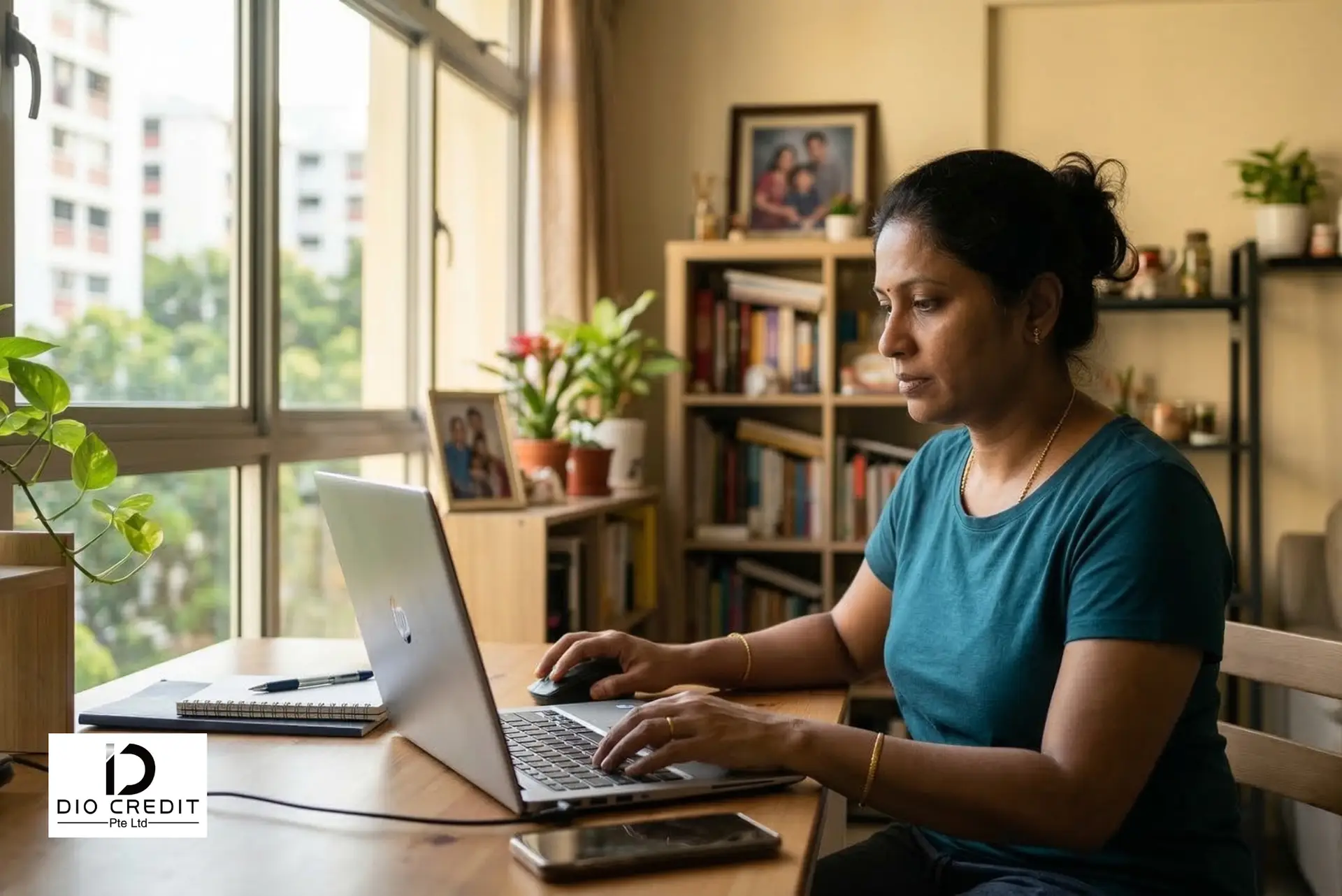
Before applying for a loan, it pays to get your finances in order. Start by clearing any overdue payments and holding off on new credit applications for at least 1 to 2 months. This helps stabilise your credit record and signals to lenders that you are financially responsible.
Check your CBS report and, if you plan to borrow from licensed money lenders, review your MLCB Loan Information Report as well. Knowing what lenders see allows you to address discrepancies and better understand your borrowing capacity. Also, make sure your income documents—such as payslips, CPF contribution statements, or Notice of Assessment (NOA)—are up to date and ready for submission.
How to Clear Bad Credit History Singapore
Even if you have a less-than-perfect credit record, it’s still possible to rebuild it by taking consistent, responsible steps:
Step 1: Repay All Outstanding Debts
Start by settling any overdue balances. This stops new delinquency marks from piling up and shows lenders that you’re getting back on track.
Step 2: Get Help From Financial Counselling Services
If managing debt feels overwhelming, organisations like Credit Counselling Singapore (CCS) can help. For example, their Debt Management Programme (DMP) helps those with unsecured debts of S$10,000 and more across multiple banks.
Step 3: Keep Repaying on Time, Every Time
Credit reports track repayment history over a rolling 12-month period, so a full year of consistent, on-time payments can gradually replace earlier late payments. Keep in mind that there’s no quick way to erase bad history: the most effective strategy is steady, timely repayment over time.
Final Thoughts: Improving Your Credit Score Takes Time & Consistency

Improving your credit score in Singapore doesn’t happen overnight—it takes diligence and responsible financial habits, entirely achievable with discipline. Regularly reviewing your CBS report in Singapore, monitoring your credit score, and maintaining consistent repayment behaviour are key steps toward rebuilding a marred credit history.
Struggling with an imperfect credit score but need access to loans? Fret not. Licensed money lenders like Dio Credit evaluate applications based on your repayment history, current income, and repayment capacity, rather than your CBS score. This means you may still qualify for a loan even with bad credit.
If you’re ready to take the next step, apply now or contact us to discuss your options with our team. You can also check out our blog page for tips on responsible borrowing and managing your finances.